
Beyond the Classroom: The Ultimate Guide to Japanese Language Institutions in 2026
So, you’ve decided to move to Japan to study. You’ve pictured it a thousand times: walking through cherry blossoms, ordering ramen in perfect Japanese, and effortlessly chatting with locals.
But then the reality of choosing a school hits. Do you go to the neon heart of Tokyo, the food-obsessed streets of Osaka, or the snowy landscapes of Hokkaido? And more importantly, how do you ensure that after spending thousands of dollars, you don't end up as another "Silent Expert"—someone who can pass a written test but can't hold a conversation?
In 2026, the game has changed. From new visa requirements to a shift toward the Private Coach model, here is everything you need to know.
1. Choosing Your Battlefield: Tokyo vs. Osaka vs. Hokkaido
The city you choose is more than just a backdrop; it is your primary "language lab." Each region offers a different linguistic challenge.
Tokyo: The Standard Hub
Tokyo is the center of Standard Japanese) If your goal is to work in a Japanese corporation or the tech industry, Tokyo is the gold standard.
The Vibe: Fast-paced and professional.
The Challenge: Because Tokyo is so international, it is very easy to fall into an "English bubble." You have to work twice as hard to stay out of the Silent Expert Trap here.

Osaka: The Conversational Powerhouse
Osaka is famous for its friendly, boisterous locals and the Kansai-ben (Osaka dialect).
The Vibe: Casual, funny, and outgoing.
The Advantage: People in Osaka are much more likely to strike up a conversation with you at a counter seat. For learners who are shy, the "vibe" of Osaka often forces them to speak more than they would in Tokyo.

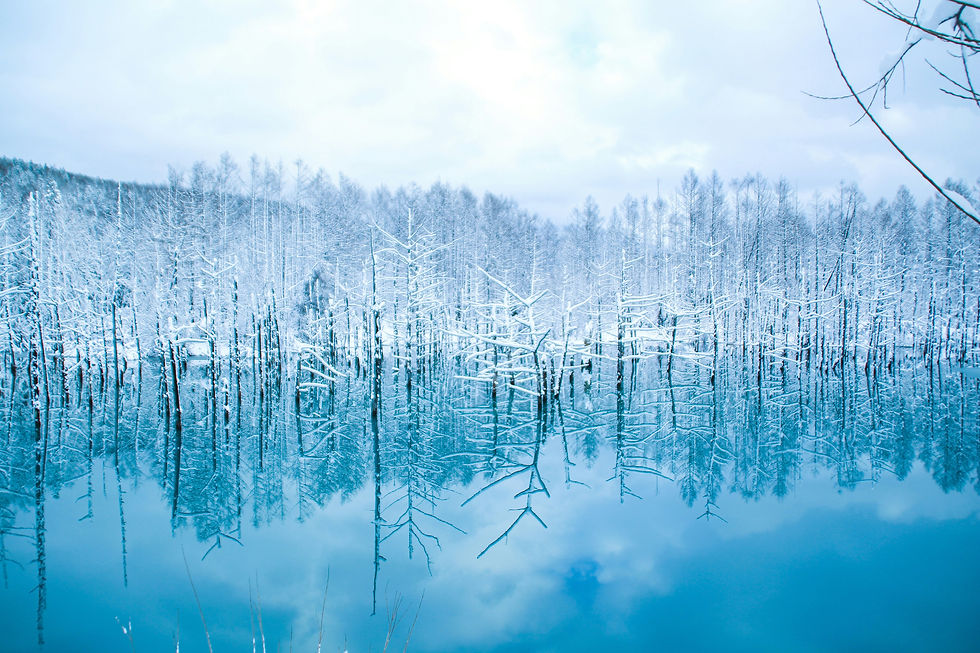
Hokkaido (Sapporo): The Immersion Sanctuary
Hokkaido offers a slower pace of life and, crucially, fewer foreigners than the major hubs.
The Vibe: Nature-focused and cozy.
The Advantage: In Sapporo, you are often forced to use Japanese in your daily life (supermarkets, banks, etc.) because English support isn't as ubiquitous as it is in Shibuya.
2. The 150-Hour Hurdle: Don't Arrive "Silent"
As of 2026, Japanese immigration has tightened the requirements for student visas. Most applicants must now prove 150 hours of prior Japanese study or hold a JLPT N5 certificate before they even set foot in Japan.
Many students treat these 150 hours as a "Check-before-departure" They spend the time clicking through apps or silently watching videos. maximise these 150 hours to build your Speaking Foundation with a Japanese Private coach. If you arrive in Japan with 150 hours of pure theory, you will be a "Silent Expert" from Day 1. Instead, spend that time with a Private Coach who focuses on output. Your goal should be to arrive in Japan already knowing how to introduce yourself, ask for directions, and navigate a convenience store.
3. Why the "Private Coach" is the Missing Piece
Many students attend prestigious schools like Akamonkai in Tokyo or ISI in Osaka but still feel stuck while speaking in Japanese. Why? Because a classroom of 20 people cannot focus on you, and give you the Active Correction you need.
Private Coach act as your trainer friend, to correct you on-the-spot while conversating, building your speaking confidence at the same time.
Don't wait until you move to Japan to start speaking. The "Silent Expert Trap" starts at home—but you can break it today.
Ready to prepare for your journey to Japan?
Whether you're heading to Tokyo, Osaka, or Sapporo, don't go alone. I specialize in the "Private Coach" method, helping you build the confidence to speak from your very first day in the country.
[Click here to book your Pre-Japan 1-1 Strategy Session] and let’s make 2025 the year you finally speak Japanese!


Comments